
You might notice a sudden zing when you drink cold water, or perhaps a strange sensation when chewing on one side of your mouth. These are common experiences, but they can be confusing. Sometimes sensitivity is just a temporary fluke, and other times it is a signal that your tooth has a cavity or a small fracture. NIDCR's patient resource on tooth decay is a useful outside reference for cavity-related sensitivity.
This is general education. Your needs may differ. Please ask your dentist.
What Dental Fillings Mean for Patients
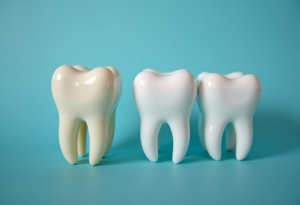
A dental filling is a restorative treatment used to repair a tooth that has been damaged by decay or a small break. When a cavity forms, the hard outer layer of your tooth (enamel) is breached, allowing bacteria to enter the softer inner part of the tooth. If left alone, this decay spreads.
A filling stops this process. Your dentist removes the decayed portion of the tooth, cleans the area thoroughly, and fills the space with a durable material. The goal is to restore the tooth's original shape and strength so you can eat and speak comfortably without worrying about further damage.
Common Causes and Risk Factors

Cavities do not happen overnight. They are usually the result of a combination of factors that allow plaque to build up and produce acids that eat away at your enamel. Common risk factors include:
- Dietary Habits: Frequent consumption of sugary snacks and acidic drinks can weaken enamel.
- Oral Hygiene Gaps: Missing spots during brushing or skipping floss allows bacteria to hide between teeth.
- Dry Mouth: Saliva helps neutralize acids and wash away food particles; a lack of saliva increases decay risk.
- Tooth Anatomy: Some people have deeper grooves in their molars, which can trap food and bacteria more easily.
Signs You Should Not Ignore
Many cavities do not hurt in the beginning. By the time a tooth causes significant pain, the decay may have reached the nerve. However, there are subtle warning signs that often appear first. If you notice any of the following, it is a good time to schedule a dental checkup in Town and Country:
- Temperature Sensitivity: A sharp pain or lingering sensitivity when eating or drinking something very hot or cold.
- Sweet Sensitivity: A tingling or aching sensation specifically when eating sugary foods.
- Food Traps: Noticing that food consistently gets stuck in a specific spot between two teeth.
- Visible Changes: Small dark spots, brown patches, or holes in the tooth that you can see in the mirror.
- Pain When Biting: A dull ache or sharp sensation when you apply pressure to a specific tooth.
How Dentists Diagnose the Problem
Because decay often hides beneath the surface or between teeth, a visual exam is only the first step. To get a complete picture of your oral health, a dentist uses a combination of tools: The CDC's overview of oral health supports the prevention advice in this section.
Visual Inspection and Probing The dentist uses a mirror and a dental explorer to check for soft spots in the enamel or visible holes. This helps identify the general location of the problem.
Dental X-Rays X-rays are essential for seeing what the naked eye cannot. They reveal decay between teeth, the depth of a cavity, and whether the decay has reached the pulp or nerve of the tooth. This information is critical for deciding if a filling is sufficient or if a more extensive restoration is needed.
Patient History Your description of the pain (where it is, what triggers it, and how long it lasts) helps the dentist narrow down the cause of the sensitivity. The American Dental Association's MouthHealthy guide also explains common causes of sensitive teeth.
Treatment Options and Trade-offs
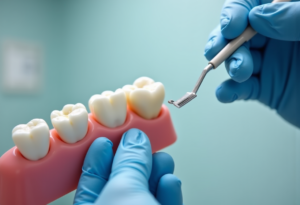
Not every restoration is the same. Depending on the location of the cavity and the amount of healthy tooth remaining, different materials and approaches are used.
Composite Fillings These are tooth-colored resins that blend in with your natural enamel. They are highly popular for front teeth and visible areas because they are aesthetically pleasing. They also bond chemically to the tooth, which can sometimes require less removal of healthy tooth structure compared to older materials.
Amalgam Fillings Often called "silver fillings," these are made from a mixture of metals. They are known for their extreme durability and strength, making them a choice for the biting surfaces of back molars where chewing pressure is highest.
The Filling vs. Crown Decision One of the most common questions patients ask is whether they need a filling or a crown. The decision usually comes down to the volume of healthy tooth structure left.
- Choose a Filling When: The decay is localized, the tooth is mostly intact, and the remaining walls of the tooth are strong enough to support the restoration.
- Choose a Crown When: A large portion of the tooth is missing, the tooth has a large existing filling that has failed, or the tooth is cracked in a way that a filling cannot stabilize.
What to Expect During Your Visit
If you are feeling anxious about your appointment, knowing the sequence of events can help you feel more in control. While every patient is different, a typical filling visit follows these steps:
1. Numbing the Area: To ensure your comfort, the dentist will apply a local anesthetic to numb the tooth and the surrounding gum tissue. 2. Removing the Decay: Using a dental drill or laser, the dentist carefully removes the decayed portion of the tooth. This creates a clean, healthy space for the filling to bond. 3. Cleaning and Etching: The area is cleaned and prepared to ensure the filling material adheres properly to the tooth structure. 4. Placing the Material: The filling material is packed into the cavity. For composite fillings, a special curing light is used to harden the resin instantly. 5. Shaping and Polishing: The dentist trims the filling to match your natural bite and polishes it so it feels smooth to your tongue and doesn't interfere with your chewing.
Recovery, Comfort, and Aftercare
Most patients can return to their normal activities immediately after a filling. However, there are a few things to keep in mind for the first 24 to 48 hours:
- Numbness: Be careful not to bite your cheek or tongue while the anesthetic is still active.
- Sensitivity: It is common to feel some mild sensitivity to hot or cold for a few days. This usually settles down as the tooth adjusts.
- Bite Check: If the filling feels "high" or prevents your teeth from closing naturally, call your office. A quick adjustment is often needed to prevent the tooth from becoming sore.
Prevention and Long-Term Maintenance
Fillings are designed to be durable, but they are not permanent. Over time, they can wear down, chip, or leak, which may allow new decay to form underneath. To make your restorations last as long as possible, focus on these habits:
- Consistent Flossing: Many fillings fail because new cavities form *between* the teeth where a toothbrush cannot reach.
- Fluoride Use: Using fluoride toothpaste helps remineralize the enamel around the edges of the filling.
- Regular Checkups: Routine exams allow your dentist to spot a loose or leaking filling before it becomes a painful problem.
- Avoid Extreme Pressure: Limit your habit of chewing ice or hard candies, which can crack both natural teeth and filling materials.
Common Mistakes in Filling Care
Patients often make a few common errors that can shorten the life of their dental work. Identifying these behaviors can help you avoid unnecessary future appointments.
Mistake 1: Ignoring "Minor" Sensitivity
- The Behavior: You feel a zing when drinking cold water, but because it goes away quickly, you ignore it for six months.
- Why it Matters: Decay does not stop on its own. A small cavity that could have been fixed with a simple filling can grow into a deep infection requiring a root canal or crown.
- The Better Step: Schedule a checkup the moment you notice a consistent change in how your tooth reacts to temperature.
Mistake 2: Treating a Filling Like a Natural Tooth
- The Behavior: Assuming that because a tooth has a filling, it is now "invincible" and doesn't need flossing.
- Why it Matters: The margin where the filling meets the tooth is the most vulnerable spot. If plaque builds up there, bacteria can seep under the filling, causing "recurrent decay."
- The Better Step: Pay extra attention to flossing around restored teeth to keep the margins clean.
Mistake 3: Waiting for Pain to Call the Dentist
- The Behavior: Waiting until a tooth actually hurts before booking an appointment.
- Why it Matters: Pain usually indicates that the decay has reached the nerve. At this stage, a filling may no longer be an option, and more invasive treatment is often required.
- The Better Step: Rely on your six-month dental checkups to find issues while they are still painless and easy to treat.
When to Call Your Dentist
While some sensitivity is normal after a procedure, certain signs indicate you should call your family dentist in St. Louis right away:
- Sharp Pain: A sudden, stabbing pain when you bite down on the filling.
- Visible Gaps: Noticing a piece of the filling has chipped or fallen out.
- Gum Swelling: Redness or swelling in the gums around the restored tooth.
- Persistent Ache: A dull throb that keeps you awake at night or does not respond to over-the-counter care.
If you are unsure about the state of your teeth or have noticed any of the signs mentioned above, the best way to protect your smile is to have a professional evaluation.
Frequently Asked Questions
How long do dental fillings usually last?
Fillings vary in lifespan based on material and care, but most are designed to last several years. Regular checkups help identify when a filling needs replacement.
Will I feel pain during the filling process?
Local anesthetics are used to numb the area so you do not feel pain during the procedure. You may feel some pressure, but the tooth itself should be numb.
Can a filling be replaced if it is old?
Yes, dentists can remove an old or failing filling and replace it with a new, modern material to restore the tooth.
Do I need a filling if I don't have any pain?
Yes, because early-stage cavities often do not cause pain until they reach the deeper layers of the tooth.
How long does it take for a filling to be completed?
Most fillings are completed in a single visit, typically taking between 30 and 60 minutes depending on the size of the cavity.
What happens if I don't get a cavity filled?
Untreated decay will continue to grow through the enamel and dentin, eventually reaching the nerve and potentially causing an abscess.
Are composite fillings as strong as silver ones?
Modern composite resins are very durable and suitable for most areas of the mouth, though amalgam is sometimes preferred for extreme biting pressure.
Request an appointment online, or call 314-965-2950.

We use modern dentistry to help address your dental needs by always staying current with treatment options that help provide each unique patient with the care that they need.
Contact Us
675 Old Ballas Rd. Suite 205
St. Louis MO 63141
Call Us
Copyright © 2025 Brock Cameron DMD.