
Many people experience a sharp, sudden "zing" when eating ice cream, sipping hot coffee, or breathing in cold winter air. While this sensation is common, the way we try to fix it at home can sometimes do more harm than good. The most common mistake patients make is treating the symptom without addressing the cause, or using aggressive cleaning habits that actually strip away more of the tooth's protection. The CDC's overview of oral health supports the prevention advice in this section.
This is general education. Your needs may differ. Please ask your dentist.
Understanding the Cause of Tooth Sensitivity
To stop the mistakes, it helps to understand why the pain happens. Your teeth have a hard outer layer called enamel. Underneath that is a softer layer called dentin. Dentin is filled with tiny, fluid-filled tubes that lead directly to the tooth's nerve.
When your enamel wears thin or your gums recede, those tubes become exposed. When something hot, cold, or sweet touches those exposed tubes, the fluid moves and triggers the nerve, resulting in that sharp pain. Most sensitivity is a sign that the protective barrier of your tooth has been compromised.
Common Tooth Sensitivity Mistakes and How to Fix Them
When we feel discomfort, our instinct is to act quickly. However, some of the most common "fixes" for sensitivity can actually accelerate tooth wear. Here are the most frequent mistakes and the safer alternatives. The American Dental Association's MouthHealthy guide also explains common causes of sensitive teeth.
Scrubbing Too Hard with Your Toothbrush
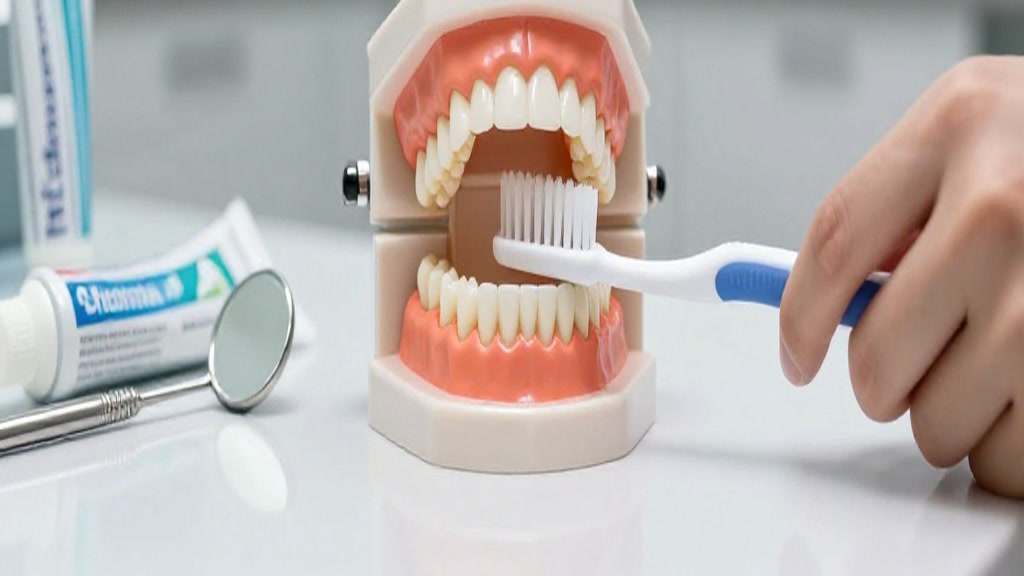
The Habit: Many patients believe that applying more pressure or using a "firm" or "hard" bristle toothbrush will clean the teeth more effectively and remove the cause of the sensitivity.
Why It Matters: Brushing too aggressively acts like sandpaper on your teeth. Over time, this wears down the enamel and can push the gums away from the tooth (gum recession). This exposes the root of the tooth, which doesn't have a thick layer of enamel, making the sensitivity significantly worse.
The Better Step: Switch to a soft-bristled toothbrush. Use gentle, circular motions rather than a scrubbing action. If you find it hard to control the pressure, consider an electric toothbrush with a pressure sensor that alerts you when you are pushing too hard.
Overusing Acidic Foods and Drinks
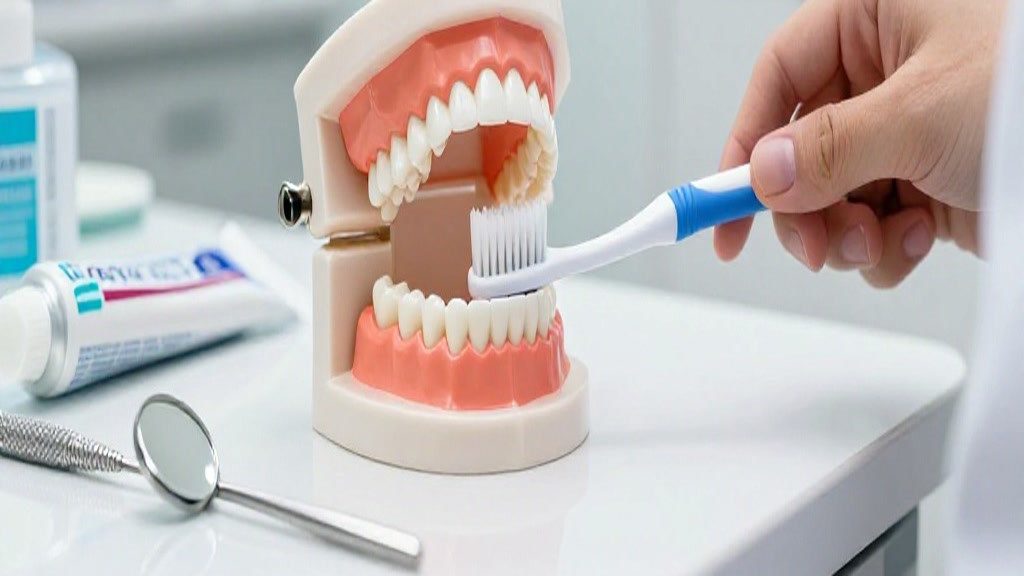
The Habit: Sipping on lemon water, sparkling water, or sports drinks throughout the day is a common habit for many adults in Town and Country and St. Louis.
Why It Matters: Acidic substances soften the tooth enamel. When you combine acid with brushing, you are essentially brushing away the softened enamel. This creates a cycle where the tooth becomes more porous and the nerves become more exposed to temperature changes.
The Better Step: Limit acidic drinks or drink them through a straw to bypass the teeth. Rinse your mouth with plain water immediately after consuming something acidic. Wait at least 30 to 60 minutes after eating acidic foods before brushing your teeth to allow the enamel to re-harden.
Relying Solely on Desensitizing Toothpaste
The Habit: Using a sensitivity-specific toothpaste for months or years without visiting a dentist to find out why the teeth are sensitive in the first place.
Why It Matters: Desensitizing toothpaste works by plugging the tiny tubes in the dentin or numbing the nerve. While this provides relief, it does not fix the underlying problem. When a cracked filling, cavity, or gum problem is behind the discomfort, toothpaste may only hide a concern that still needs attention.
The Better Step: Use the toothpaste for short-term comfort, but schedule a dental checkup. A professional exam can determine if you need a simple fluoride treatment or a more restorative solution like a dental filling or a crown to protect the tooth.
Using Abrasive Whitening Products on Sensitive Teeth
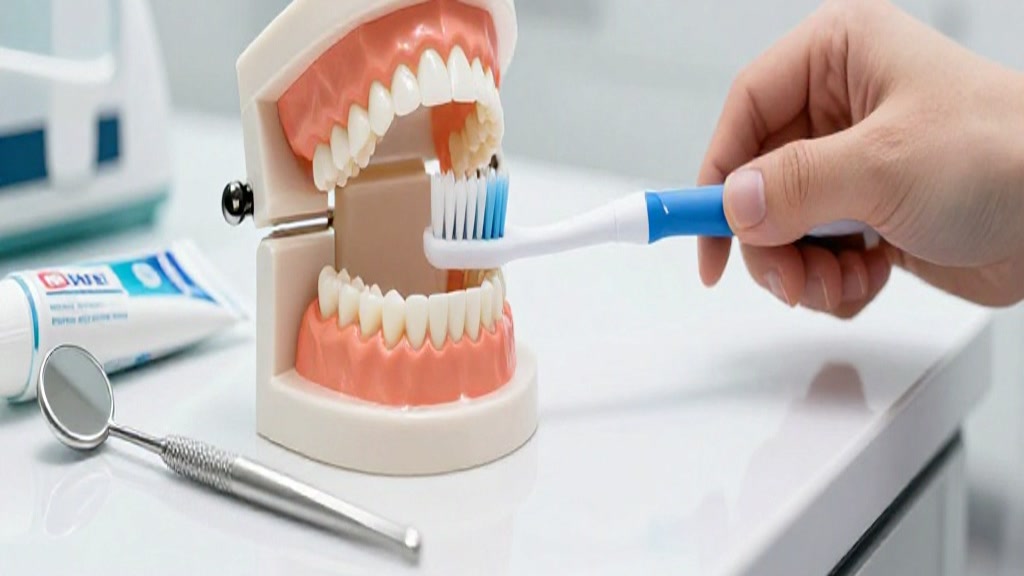
The Habit: Applying strong whitening strips or using highly abrasive whitening toothpastes to achieve a brighter smile while the teeth are already feeling sensitive.
Why It Matters: Many whitening agents use peroxides that can penetrate the enamel and irritate the nerve. Furthermore, some whitening toothpastes use harsh abrasives to scrub stains away, which can further thin the enamel and increase the "zing" you feel during meals.
The Better Step: If you want teeth whitening in St. Louis, consult with your dentist first. Professional whitening can be tailored to your sensitivity level, and your provider can suggest ways to protect your enamel during the process.
Ignoring the "Warning Signs" of a Single Sensitive Tooth
The Habit: Assuming that a single tooth that is sensitive to heat is just "part of getting older" and ignoring it because it doesn't hurt all the time.
Why It Matters: General sensitivity across many teeth is often due to enamel wear. However, when one specific tooth becomes hypersensitive,especially to heat,it can be a sign of a deeper issue, such as a failing filling or an infected nerve (abscess). Ignoring this can lead to the need for a root canal rather than a simple filling. NIDCR's patient resource on tooth decay is a useful outside reference for cavity-related sensitivity.
The Better Step: Monitor whether the pain is generalized or localized. If one specific tooth is reacting differently than the others, request an appointment for a targeted exam.
Signs You Should Not Ignore
While some sensitivity is a nuisance, other symptoms indicate a need for immediate professional intervention. If you notice any of the following, it is time to call your family dentist in St. Louis:
- Lingering Pain: The pain lasts for several minutes after the trigger (cold or hot) is gone.
- Spontaneous Pain: The tooth hurts even when you aren't eating or drinking anything.
- Visible Changes: You see a dark spot on the tooth or a visible crack in the enamel.
- Gum Changes: Your gums look red, swollen, or have receded significantly from one specific tooth.
- Pain When Biting: A sharp pain that occurs specifically when you put pressure on the tooth, which may indicate a crack or a loose filling.
How Dentists Diagnose and Treat Sensitivity
When you visit a practice like Brock Cameron, DMD, the first goal is to determine if the sensitivity is due to surface wear, gum recession, or an internal problem like decay.
The Diagnostic Process
Your dentist will typically perform a visual exam and may use a periodontal probe to check the depth of your gum pockets. In some cases, X-rays are used to see if there is decay beneath a filling or an issue at the root. They may also perform a "percussion test," gently tapping the tooth to see how the nerve responds.
Treatment Options and Tradeoffs
Depending on the cause, your dentist may suggest several paths:
- Fluoride Varnish: A high-concentration fluoride treatment applied in the office to remineralize and strengthen the enamel. This is a non-invasive first step.
- Dental Fillings: When a cavity or worn area is involved, a filling can seal the spot so hot, cold, or sweet triggers are less likely to reach the nerve.
- Dental Crowns: For teeth with significant cracks or large areas of decay, a crown provides a full protective cover, essentially "shielding" the nerve from the environment.
- Bonding: If gum recession has exposed the root, a tooth-colored resin can be bonded to the root surface to block the dentin tubules.
- Gum Treatment: If the cause is periodontal disease, a deep cleaning (scaling and root planing) may be necessary to stabilize the gums.
Long-Term Maintenance for a Comfortable Smile
Once your sensitivity is under control, the goal is to prevent it from returning. Consistency is more important than intensity when it comes to oral care.
Daily Habits for Protection:
- Use a soft brush: Never compromise on the softness of your bristles.
- Floss daily: Removing plaque from the gum line prevents the inflammation that leads to recession.
- Stay hydrated: Drinking plenty of water helps neutralize acids in the mouth.
- Avoid "tooth-scraping": Do not use your teeth as tools to open packages or bite through hard plastics.
Professional Maintenance: Regular dental checkups are the best way to catch enamel thinning before it becomes painful. During a routine cleaning, your dentist can identify areas where you might be brushing too hard or spot the early signs of a failing filling. This allows for a simple fix rather than a complex restorative procedure.
When to Call Your Dentist
If you have tried a sensitivity toothpaste for two weeks and have seen no improvement, it is time to seek professional help. You should also call if you experience a sudden increase in sensitivity after a new dental product or if you notice any bleeding gums accompanying the sensitivity.
Call the office sooner when you notice:
- Sharp pain when biting or chewing.
- Sensitivity that lasts more than a few days or keeps coming back.
- Swelling, a broken tooth, or a loose filling or crown.
- Pain that wakes you up or feels worse instead of better.
For residents of Town and Country and the surrounding St. Louis area, a quick exam can provide the clarity needed to stop the "zings" and protect your teeth for the long term.
Frequently Asked Questions
Why are my teeth sensitive to cold suddenly?
This can be caused by new enamel wear, gum recession, or a recent dental procedure. It may also indicate a new cavity or a cracked filling that needs an exam.
Can teeth whitening cause sensitivity?
Yes, the bleaching agents used in whitening can temporarily open pores in the enamel. Using a desensitizing toothpaste before and after treatment often helps.
Does a sensitive tooth always mean I have a cavity?
No, sensitivity can be caused by many things, including acid erosion, aggressive brushing, or clenching. However, only a dentist can rule out decay through an exam.
How long does it take for sensitivity toothpaste to work?
Most patients notice a difference after two to four weeks of consistent use. If there is no improvement by then, the cause may be more than just surface sensitivity.
Can gum disease cause tooth sensitivity?
Yes, periodontal disease causes the gums to pull away from the tooth. This exposes the sensitive root surfaces that were meant to be covered.
Is it safe to use home remedies like salt water for sensitivity?
Salt water rinses are generally safe for soothing gums, but they do not fix the cause of sensitivity. They cannot remineralize enamel or seal dentin tubules.
Will a dental crown stop tooth sensitivity?
For sensitivity linked to a crack or severe wear, a crown may protect the tooth by covering and sealing the weakened structure. Your dentist can determine if a crown is the right choice for your specific case.
If you are tired of avoiding your favorite foods and drinks due to tooth sensitivity, we are here to help. We provide comprehensive family dentistry and restorative care to get your smile back to a comfortable state.
Request an appointment online, or call 314-965-2950.

We use modern dentistry to help address your dental needs by always staying current with treatment options that help provide each unique patient with the care that they need.
Contact Us
675 Old Ballas Rd. Suite 205
St. Louis MO 63141
Call Us
Copyright © 2025 Brock Cameron DMD.