
Generated editorial image.
If a gumline looks lower than it used to, or a tooth seems longer, arrange a dental assessment. A visible change is worth discussing even when it does not hurt. The first goal is to understand what has changed and what information the dentist needs.
A photograph or mirror check cannot establish the cause, the rate of change or the right treatment. Avoid assuming that one habit explains everything or that an online “gum regrowth” product will reverse the change.
Describe the area and the change you noticed
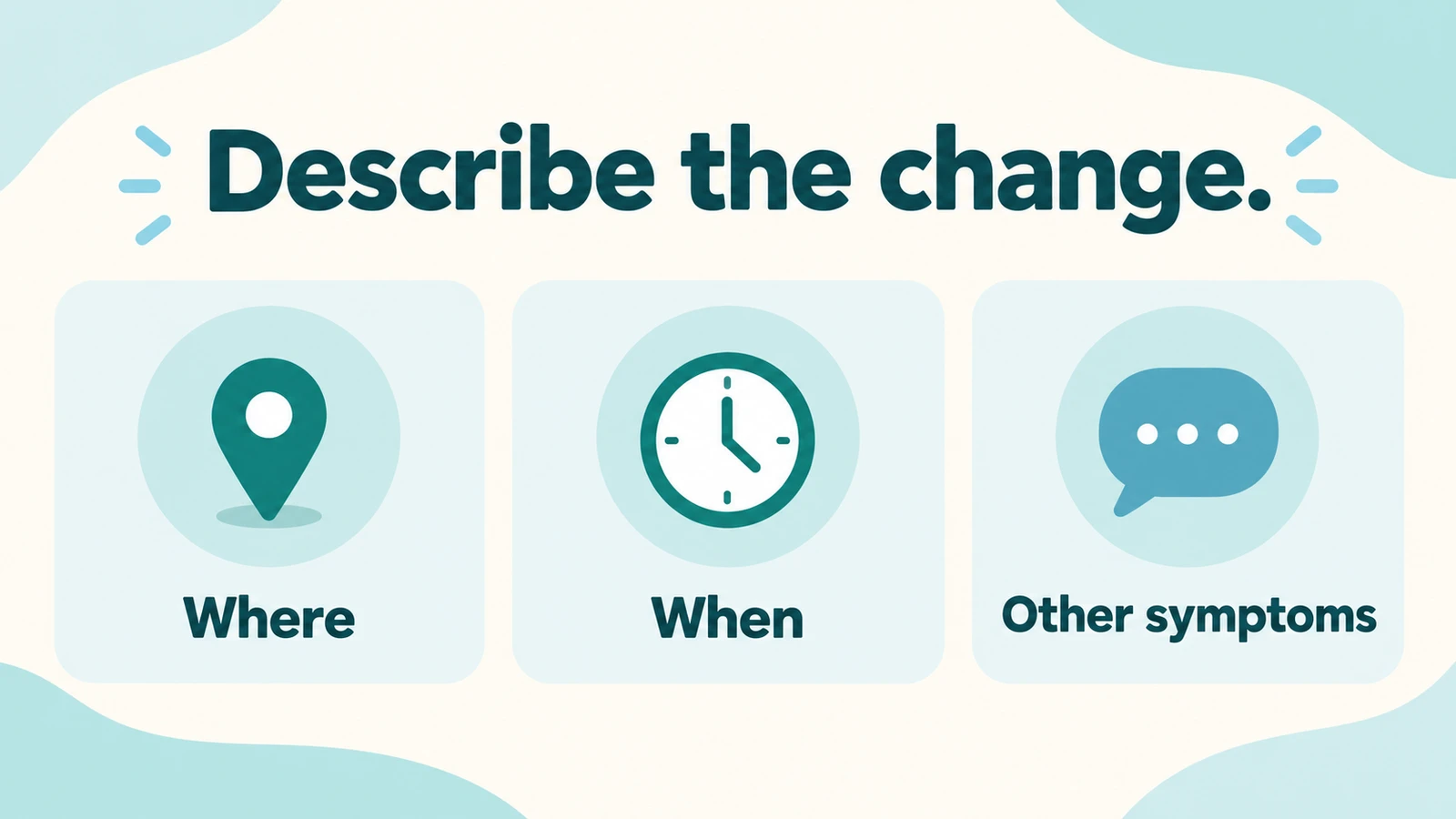
Tell the office which area concerns you: upper or lower, front or back, one tooth or several. If you know when you first noticed it, include that detail. If you do not know whether it is new, say that rather than choosing a date.
You might bring an older photograph if it clearly shows the area, but ask whether it is useful. Changes in lighting, camera angle and lip position can make visual comparisons difficult. Do not repeatedly pull or probe the gum to measure it yourself.
Make a short note of associated changes you have already noticed, such as sensitivity, bleeding, discomfort when cleaning or food collecting in a different place. These are observations for the dentist to assess, not a home scoring system.
Understand why an examination matters
NIDCR lists gums pulling away from teeth among possible signs of gum disease. It describes an assessment that considers the gums, teeth, medical history and, when appropriate, X-rays. A professional may also measure the spaces around the teeth.
That context matters: seeing more of a tooth does not by itself prove a particular diagnosis. Ask the dentist to explain the findings in your case and distinguish a visible gumline change from the measurements used to assess supporting tissues.
Questions you can use include:
- Is the gumline change confirmed, and where is it?
- Do earlier records help show whether it has progressed?
- What else did you find around these teeth?
- Which factors appear relevant in my situation?
- Is more assessment needed before discussing treatment?
Bring your home-care and health context
Explain how you brush and clean between teeth, including the type of brush and any area you avoid because it is uncomfortable. If possible, ask whether to bring the tool you use. A demonstration can be more informative than the words “soft” or “gentle” alone.
Also share relevant medical history, medicines and tobacco use. NIDCR describes health history and risk factors as part of gum-disease assessment. Do not change prescribed treatment on your own because you are worried about the gumline.
If you wear an appliance or have had recent dental work near the area, mention it. You are supplying context, not assigning blame or deciding that the restoration or appliance caused the problem.

Ask for specific, manageable care instructions
Ask which cleaning method and pressure are appropriate for the area and whether a tool needs different sizing or positioning. If the advice feels difficult to follow, say what gets in the way and request another explanation.
Avoid trying to scrape deposits, cut tissue or push the gum back into position. Do not stop all cleaning of an area indefinitely because it feels sensitive; contact the dental team for a suitable approach instead.
Write down the agreed next step. Ask which symptoms should prompt a call before the planned review and how the team will assess change over time. A follow-up plan should explain what is being watched, not just give a date.
Clarify whether specialist input would help
NIDCR notes that a dentist may refer a patient to a periodontist, a specialist in gum disease. Whether a referral or a procedure is appropriate depends on the assessment. This article cannot determine eligibility for gum grafting or promise tissue regrowth.
If a referral is suggested, ask its purpose, what records are needed and which clinician will coordinate ongoing care. Ask about options and limitations before making a treatment decision.
Brock Cameron, DMD provides family dental care. Contact the office about a gumline change or explore its services. Any specialist procedure or referral arrangement should be confirmed with the team.

We use modern dentistry to help address your dental needs by always staying current with treatment options that help provide each unique patient with the care that they need.
Contact Us
675 Old Ballas Rd. Suite 205
St. Louis MO 63141
Call Us
Copyright © 2025 Brock Cameron DMD.