
A fixed dental bridge needs daily cleaning around its supporting teeth and beneath the replacement tooth. Brushing helps clean the surfaces you can reach, but you may need a floss threader, an appropriately sized interdental brush or a water flosser to reach other areas. Ask your dentist or hygienist to show you which method fits your bridge.
If regular floss will not pass through the connected part of the bridge, do not push harder. The useful next step is learning a different way to reach that space. This guide explains the options and the questions to bring to your next visit.
This is general education. Follow the instructions given for your own bridge, especially after recent treatment.
Why a bridge changes the way you clean
A traditional tooth-supported bridge joins an artificial replacement tooth to restorations supported by neighboring teeth. The connected design means you cannot always move floss down from the biting surface as you would between separate natural teeth.
The American Dental Association explains that a fixed bridge stays in place and can only be removed by a dentist. You clean around it while it is in your mouth. The health of the supporting teeth still matters.
Before choosing a tool, ask the dental team to point out three areas: the supporting teeth, the gumline around them and the accessible space beneath the replacement tooth. Implant-supported bridges can have different cleaning needs. If you are unsure which type you have, ask rather than guessing.
Start with gentle brushing
Brush twice a day with fluoride toothpaste, including the bridge and your remaining teeth. Pay attention to the cheek-facing, tongue-facing and chewing surfaces. Along the gumline, use gentle movements rather than hard scrubbing.
NIDCR’s oral-hygiene guidance recommends directing the bristles toward the gumline and cleaning between teeth as well as brushing. Cleaning only the visible replacement tooth leaves other important areas of your routine unfinished.
Ask for a demonstration if reaching the back or tongue side is awkward. It can help to show the hygienist how you currently hold your brush, so the advice addresses the spot you are actually missing.
Choose a way to reach beneath the bridge
You do not need to buy every cleaning aid. The aim is to find a method you can use gently and consistently, in the spaces your particular bridge allows.
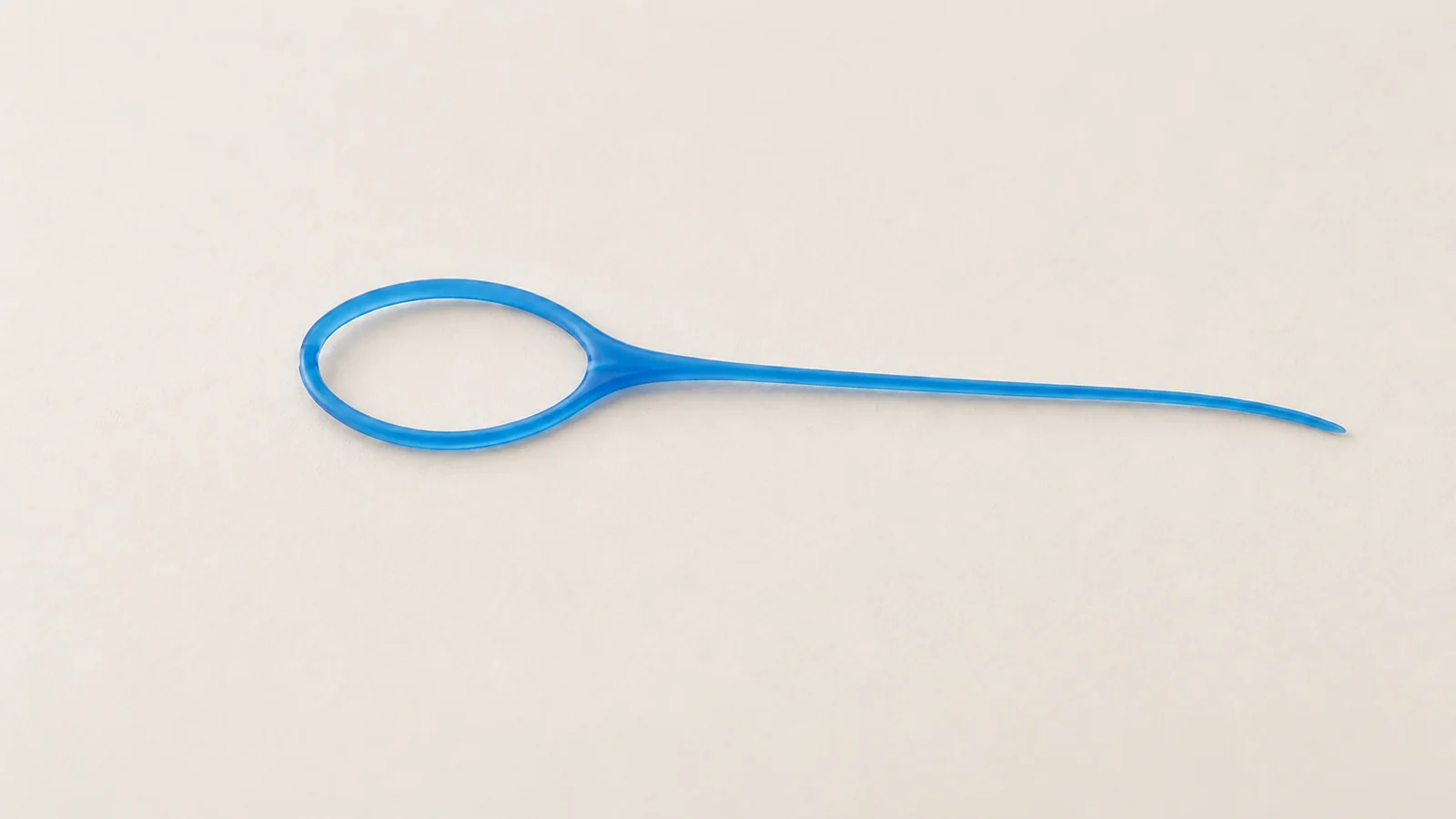
A floss threader
A floss threader helps guide floss through an opening that is difficult to reach directly. NIDCR specifically identifies fixed bridges as one use for threaders.
Have your dental team show you where the threader should enter, how to position the floss beneath the replacement tooth and how to clean beside the supporting teeth. Practice once while they watch. That is more useful than copying a technique intended for a different bridge.
Guide the tool gently. Do not snap floss into the gum, force a threader through a space or try to pry the bridge upward. If the route does not seem clear, stop and ask for help.
An interdental brush
An interdental brush is a small brush made for spaces between teeth. It may be useful where there is suitable access around a bridge. Ask the dental team to select the size and demonstrate the direction of use. A brush that needs force to enter is a reason to check the fit of the tool, not to keep pushing.
A water flosser
A water flosser may help if handling string floss is difficult. The ADA discusses water flossers as an option for people with bridges and other dental work.
Ask which tip and settings to use, and where to direct it around your restoration. Follow the device instructions and your dental team’s guidance. Do not assume a product removes the need for brushing or that every area of your bridge is being reached just because water passes through.
Build a routine you can repeat
Set aside time each day for the bridge-cleaning method your dental team recommends. Choose a time when you can work carefully rather than rushing. Keep the tool within reach of your toothbrush so it is easier to remember.
If hand stiffness, limited vision or reaching a back tooth makes cleaning difficult, say so. Bring the tools you already own to the appointment. You can ask, “Can you watch me use this and show me what to change?”
Home care and professional care serve different purposes. NIDCR notes that hardened plaque, or tartar, needs professional removal. Keep the checkups and cleaning schedule recommended for your needs rather than trying to scrape deposits away yourself.
What if food gets stuck or the area bleeds?
Use the gentle cleaning method you have been shown. Avoid pins, needles, household tools or anything sharp. The ADA’s advice for trapped objects specifically cautions against sharp or pointed instruments.
Contact your dentist if food repeatedly catches in the same place, cleaning remains painful, bleeding continues or your usual tool suddenly becomes difficult to use. Describe what changed and when it started. These observations can help the team assess the problem; they do not establish the cause on their own.
A bridge that moves, feels loose or has a broken edge needs professional attention. Do not try to glue it, adjust it or pull it off. For severe pain or significant swelling, seek urgent dental advice rather than waiting for a routine cleaning. If you have trouble breathing or swallowing, seek emergency medical help immediately.
Questions to bring to your next visit
- Which areas under and around this bridge should I clean?
- Which tool and size would you recommend for those spaces?
- Can I practice the technique while you watch?
- What should I do if floss catches, cleaning hurts or the bridge feels different?
Brock Cameron, DMD lists bridges and implant crowns among its dental services in St. Louis. If you need help cleaning around a bridge, contact the office or call 314-965-2950 to describe your concern and ask about an appointment. For an urgent concern, call rather than relying on a contact-form response.

We use modern dentistry to help address your dental needs by always staying current with treatment options that help provide each unique patient with the care that they need.
Contact Us
675 Old Ballas Rd. Suite 205
St. Louis MO 63141
Call Us
Copyright © 2025 Brock Cameron DMD.