
Many patients believe that once a cavity is filled, the problem is solved for good. In reality, a dental filling is a restorative tool that requires ongoing care and monitoring. The biggest mistake a patient can make is assuming that a filling is a permanent fix. While modern materials are durable, they can wear down, leak, or crack over time.
Avoiding these mistakes is the difference between a quick, simple filling replacement and a more complex procedure like a root canal or a full crown. If you are noticing sensitivity or a strange feeling in a tooth, the best move is to have it evaluated by a professional before a small gap becomes a large problem.
*This is general education. Your needs may differ. Please ask your dentist.*
Understanding the Role of Dental Fillings
For patients in Town and Country and St. Louis, a dental filling is one of the most common restorative treatments. Its primary purpose is to remove decayed tooth structure and seal the area to prevent further bacteria from entering the tooth.
Fillings restore the shape and function of the tooth, allowing you to chew and speak normally. However, because the filling is bonded to your natural tooth, the interface between the material and the enamel is the most vulnerable point. When this bond fails, it creates a microscopic gap where new decay can start. This is known as secondary caries. Understanding this process helps you realize why regular checkups are more important than just treating pain. NIDCR's patient resource on tooth decay is a useful outside reference for cavity-related sensitivity.
Common Dental Filling Mistakes and How to Fix Them
Many patients unintentionally shorten the life of their restorations through simple habits or misconceptions. Here are the most common mistakes and the safer paths to follow.
Mistake 1: The "Wait and See" Approach to Sensitivity
What patients do: Many people notice a sudden sensitivity to cold water or sweet foods but decide to wait until the feeling goes away or until their next six-month cleaning. The CDC's overview of oral health supports the prevention advice in this section.
Why it matters: Sensitivity is often the first warning sign that the seal around a filling has failed. Once bacteria leak under the filling, decay spreads rapidly toward the pulp of the tooth. Waiting several months can turn a simple filling replacement into a need for a crown or a root canal. The American Dental Association's MouthHealthy guide also explains common causes of sensitive teeth.
What to do instead: If you notice a new or recurring sensitivity in a tooth with an existing filling, schedule an exam. It is much easier and more affordable to replace a filling when the decay is superficial than when it has reached the nerve.
Mistake 2: Ignoring "Sharp" Sensations When Biting
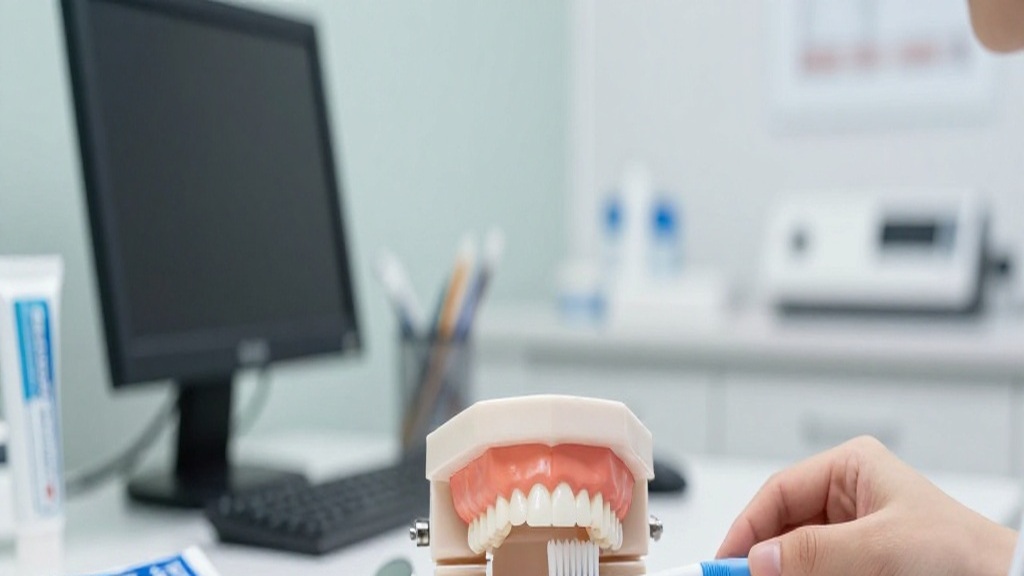
What patients do: Some patients experience a sharp, fleeting pain when biting down on something firm, like a nut or a piece of crusty bread, but ignore it because the pain disappears quickly.
Why it matters: A sharp pain upon release or bite-down often indicates that the filling is no longer supporting the tooth structure correctly. It can be a sign of a crack in the filling or, more seriously, a crack in the natural tooth enamel. If the tooth continues to flex under pressure, the crack can extend deeper into the root.
What to do instead: Keep a log of when the pain occurs and what triggers it. Mention this specific sensation to your dentist during your next visit, or call the office if the frequency increases. This allows the dentist to check the structural integrity of the tooth.
Mistake 3: Using Fillings as a Substitute for Oral Hygiene
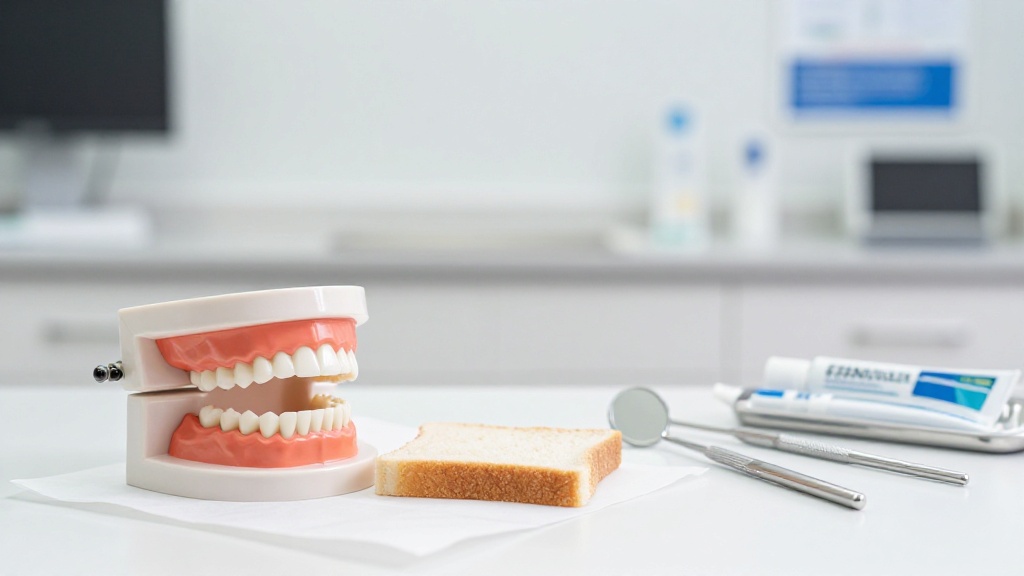
What patients do: Some believe that because a tooth has been "fixed" with a filling, it is now immune to further decay in that specific spot.
Why it matters: Fillings do not prevent new cavities. In fact, the edges (margins) of a filling are prime locations for plaque to accumulate. If you do not brush and floss around the restoration, the tooth can decay right at the edge of the filling, eventually causing the filling to fall out.
What to do instead: Treat your filled teeth with the same (or more) care as your natural teeth. Use a fluoride toothpaste and floss daily to ensure the margins of the filling remain clean and sealed. Regular professional cleanings are essential to remove hardened tartar that you cannot brush away at home.
Mistake 4: Neglecting the "Feel" of the Tooth
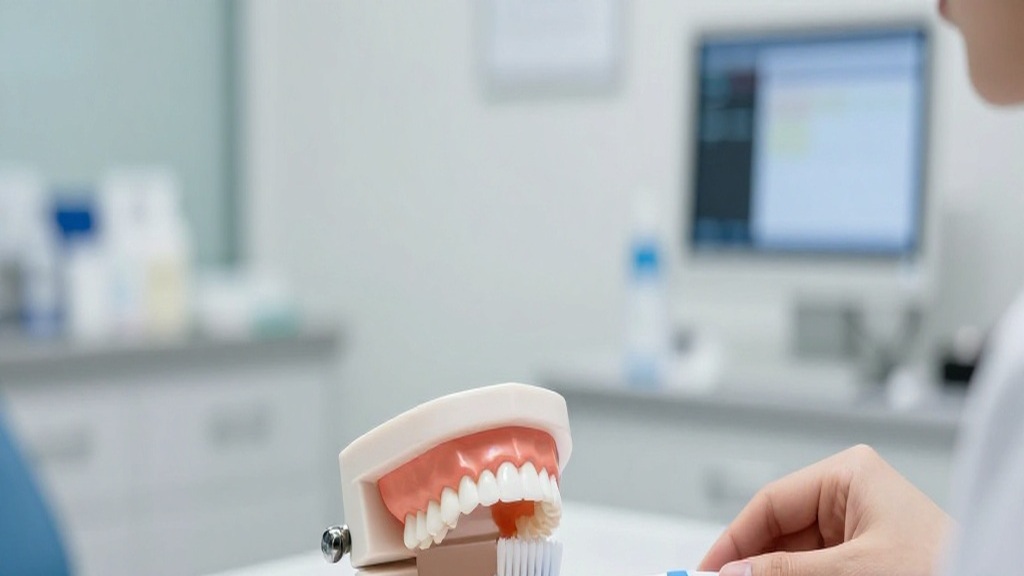
What patients do: Patients may notice a rough edge, a small pit, or a "catch" when running their tongue over a filling but assume it is just normal wear and tear.
Why it matters: A filling that feels rough or pitted may have lost its polished surface or developed a micro-crack. These irregularities can trap food and bacteria, accelerating the breakdown of the material and the surrounding tooth structure.
What to do instead: Use your tongue as a tool for early detection. If you feel a change in the texture of a filling, note the location. During your next checkup, ask your dentist to specifically check the margins of that filling to ensure it is still flush with the enamel.
Deciding Between a Filling and a Crown
One of the most confusing points for patients is knowing when a filling is no longer the right choice. Choosing a filling when a crown is necessary is a common mistake that can lead to tooth fracture.
When a Filling is Usually Sufficient
Fillings are generally the best option when:
- The decay is limited to a small or moderate area.
- The remaining natural tooth structure is strong and healthy.
- The tooth does not bear an extreme amount of chewing pressure.
- The damage is primarily on the biting surface or the sides of the tooth without affecting the overall integrity.
When a Crown is the Safer Choice
A crown is typically recommended when:
- A large portion of the natural tooth is missing.
- The tooth has a large existing filling that has failed, leaving the remaining walls thin.
- The tooth has a crack that threatens the structural stability of the entire unit.
- The tooth has undergone a root canal, which can make the tooth more brittle over time.
Choosing the right restorative option depends on the balance between the amount of missing tooth structure and the force the tooth must withstand. A professional exam and X-rays are the only way to determine which option provides the longest lasting result.
How Your Dentist Diagnoses Filling Problems
If you suspect a filling is failing, your dentist will use a combination of tools to find the problem without guessing.
1. Visual Examination: Using a dental mirror and bright light, the dentist looks for discoloration, gaps at the margins, or visible cracks. 2. Tactile Exploration: A dental explorer (a thin, pointed instrument) is used to feel for "soft spots" or gaps where the filling meets the tooth. 3. Percussion and Pressure Tests: The dentist may gently tap the tooth or ask you to bite down on a tool to see if the pain is related to pressure or structural instability. 4. X-Rays: Radiographs allow the dentist to see decay that has traveled *underneath* the filling, which is impossible to see with the naked eye.
Long-Term Maintenance for Your Restorations
To get the most life out of your dental fillings, follow these practical steps for home and clinical care:
- Avoid Extremely Hard Objects: Try to avoid chewing on ice, hard candies, or unpopped popcorn kernels. These can create sudden pressure that cracks both the filling and the tooth.
- Maintain a Consistent Flossing Routine: Flossing removes the bacteria that gather at the edges of the filling, which is the most common site for secondary decay.
- Stay Consistent with Checkups: Regular exams in Town and Country allow your dentist to catch a failing seal while it is still a simple fix.
- Use a Soft-Bristled Brush: While you need to clean the area, aggressive scrubbing with a hard brush can wear down the enamel around the filling over many years.
When to Call the Office
While some sensitivity can be normal, certain signs require a prompt appointment. You should call Brock Cameron, DMD if you experience:
Call the office sooner when you notice:
- Sharp pain when biting or chewing.
- Sensitivity that lasts more than a few days or keeps coming back.
- Swelling, a broken tooth, or a loose filling or crown.
- Pain that wakes you up or feels worse instead of better.
- A filling that has actually fallen out or feels loose.
- A sudden, sharp pain when biting down that does not go away.
- Persistent sensitivity to hot or cold that lasts for several minutes after the trigger is gone.
- Swelling in the gums surrounding a filled tooth.
- A visible hole or dark shadow appearing around the edge of an old filling.
By addressing these issues early, you can avoid the stress and cost of more extensive restorative work.
Frequently Asked Questions
How long do dental fillings typically last?
Fillings vary by material, but many last several years. Their lifespan depends on your oral hygiene and the amount of pressure the tooth handles.
Does it hurt to have a filling replaced?
Most patients find the process comfortable. Local anesthesia is used to ensure you do not feel pain during the procedure.
Can I tell if a filling is failing without a dentist?
You may notice sensitivity or a rough edge, but many failures are invisible. Only a clinical exam and X-rays can confirm if a filling is leaking.
Why did my filling fall out?
Fillings can fail due to secondary decay under the material, repeated chewing stress, or the natural wear of the bonding agent over time.
Is a composite filling better than a silver one?
Composite fillings match the tooth color and bond to the structure. Silver (amalgam) fillings are very durable for high-pressure areas like molars.
Will my insurance cover a filling replacement?
Most dental insurance plans cover fillings, though the percentage depends on your specific plan. Our office can help you understand your options.
Can a filling be "patched" instead of replaced?
Generally, if a filling has failed or leaked, it must be fully removed and replaced to ensure all decay is gone and the new seal is secure.
If you have concerns about an old filling or are experiencing new sensitivity in your teeth, we are here to help. Request an appointment online, or call 314-965-2950.

We use modern dentistry to help address your dental needs by always staying current with treatment options that help provide each unique patient with the care that they need.
Contact Us
675 Old Ballas Rd. Suite 205
St. Louis MO 63141
Call Us
Copyright © 2025 Brock Cameron DMD.