
Generated editorial image.
A whole permanent tooth knocked out of its socket needs immediate dental care. Call an emergency dentist now and keep the tooth moist. Never put a baby tooth back into its socket. If there is a serious head or facial injury, loss of consciousness, breathing difficulty or severe uncontrolled bleeding, call 911 or seek emergency medical care first.
These steps concern an actual permanent tooth, sometimes called an adult tooth, that has come completely out. A broken fragment, a loose tooth, a crown or an implant restoration is a different situation. If you are unsure what came out, get urgent professional guidance rather than forcing anything into the gum.
Handle the tooth by the crown
The American Association of Endodontists advises holding a knocked-out tooth by its crown, the white part normally visible above the gum. Avoid touching the root.
If the tooth is dirty, AAE guidance allows a gentle rinse with water. Do not scrub it, use soap or chemicals, scrape off attached tissue, dry it or wrap it in a towel. Rinsing briefly is different from leaving the tooth stored in water.
Ask someone nearby to call the dentist while you attend to the tooth if help is available. Do not delay departure to clean it perfectly or search for a special container.
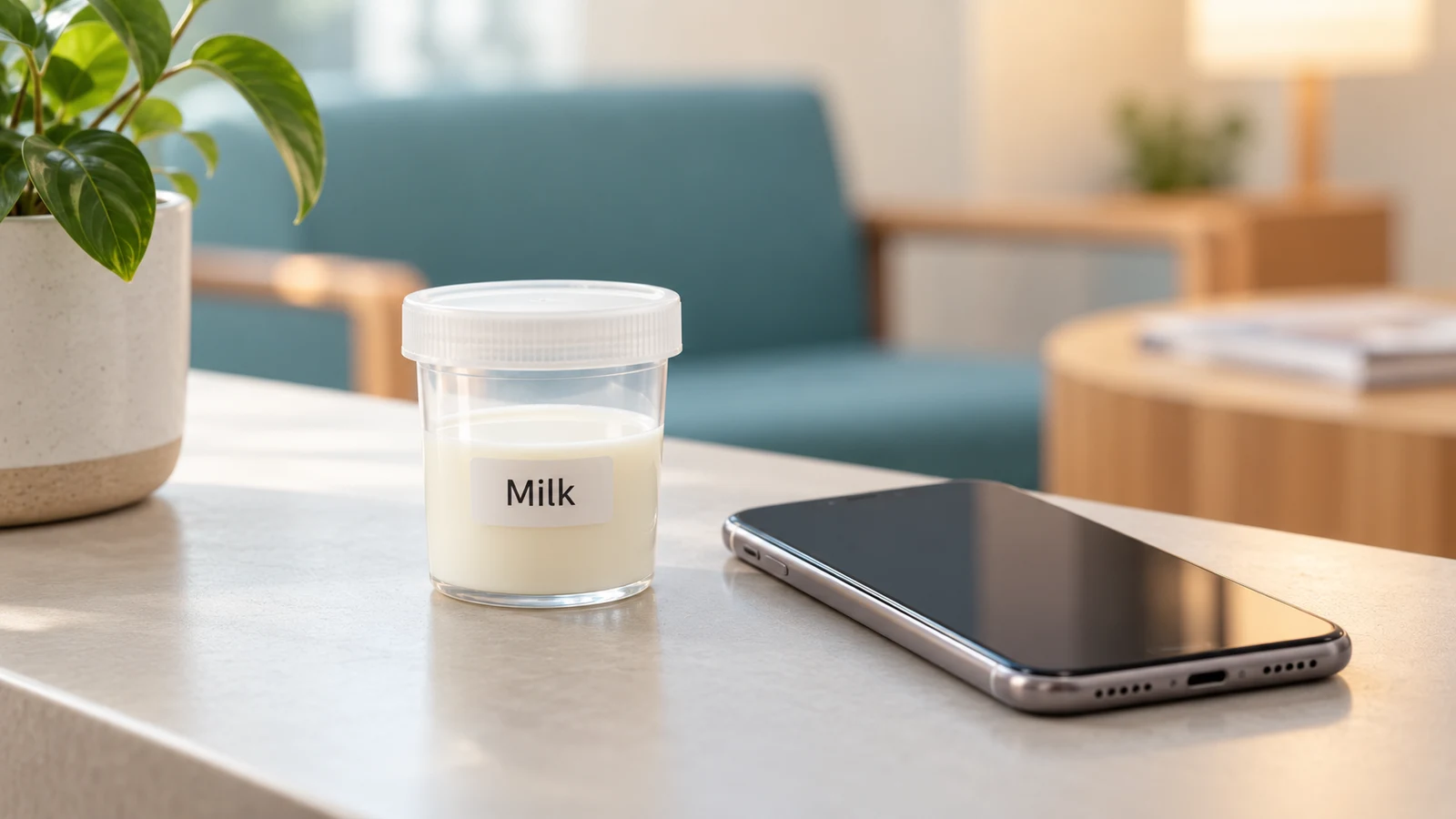
Keep it moist and get care immediately
The American Dental Association recommends replacing a knocked-out permanent tooth in its socket if possible. Only attempt this when the person is awake and able to cooperate, you are sure it is a permanent tooth, and it goes back easily. Handle the crown and use gentle pressure; never force it.
If you cannot reinsert it easily, put it in milk in a clean container or use a purpose-made tooth-preservation product according to its directions. Bring the tooth with you. AAE cautions against storing it in ordinary tap water. Do not carry a loose tooth inside the mouth when it could be swallowed or inhaled.
Even if the tooth goes back into place, see a dentist immediately. First aid does not replace an examination, treatment or follow-up. If time has already passed, still seek care now; do not assume it is too late or that the tooth is certain to be saved.
Do not reinsert a baby tooth
The NHS specifically says not to put a baby tooth back because doing so could damage the developing tooth underneath. A child’s age alone should not be used to guess which kind of tooth it is.
If you are unsure whether the tooth is permanent, keep it moist in a container and contact an emergency dentist immediately for instructions. Do not try reinsertion while guessing. A child with a knocked-out tooth still needs assessment.
Tell the team what happened
Give the approximate injury time, how it happened, whether the tooth was found, and whether it has been dry, in milk or reinserted. Mention other injuries, current symptoms and relevant medical information.
If you cannot find the tooth, urgent dental assessment is still needed. Tell the team it is missing. If it may have been swallowed or inhaled, seek prompt medical advice; breathing difficulty or choking requires emergency help.
Do not spend time assembling a detailed history before calling. The essential message is that a tooth has been knocked out and immediate advice is needed.
Use the fastest available appropriate care
Contact Brock Cameron, DMD immediately to ask about urgent assessment. Its family-dentistry page discusses urgent needs, but availability must be confirmed. If the office cannot be reached or cannot provide immediate care, seek another emergency dental service without waiting for a routine reply.
You can review the practice’s services later. In the moment, prioritize urgent care and careful tooth handling. No first-aid method can guarantee the outcome.

We use modern dentistry to help address your dental needs by always staying current with treatment options that help provide each unique patient with the care that they need.
Contact Us
675 Old Ballas Rd. Suite 205
St. Louis MO 63141
Call Us
Copyright © 2025 Brock Cameron DMD.